November 21, 2025 |10 min read
How to Get Rid of Cat Pee Smell in Your Home

Written by




When you share your house with a cat, you know their quirky charm, soft purrs, and confident struts make every day brighter. But when a cat-pee odor lingers, well, that’s a different kind of surprise. If you're wondering how to get rid of cat pee smell in the house for good, then you’re in the right place. This guide breaks down why cat urine is so persistent, how to eliminate it properly, and how PrettyLitter helps you say goodbye to that litter box smell before it ever becomes a cleaning project.
Why Does Cat Pee Smell So Bad?
Ever walked into a room and noticed something is just a little off? You’re probably not imagining it. Cat pee has a chemistry all its own. Understanding why cat urine smells so bad gives you a major advantage when tackling the problem.
Ammonia and Mercaptans
Fresh cat urine already contains ammonia, but over time, something else enters the chat: Mercaptans1 are the same class of compounds responsible for the unmistakable odor of skunk spray. As urine breaks down, bacteria feast on it, and the odor deepens.
The Problem with Uric Acid Crystals
Cat urine contains uric acid, which forms crystals that stick to surfaces like carpet padding, hardwood floors, and tile grout. These crystals don’t fully break down in water and can linger for years unless they’re broken down properly. This is why so many people search for how to get rid of the smell of cat urine and end up frustrated.
Why Standard Cleaners Fail
Most conventional cleaners, including soaps, detergents, and scented sprays, only mask the problem. They might temporarily freshen the space, but they don’t dismantle the uric acid crystals at the root of the odor. So, you might wonder, “What gets rid of cat pee smell once and for all?” You need something that doesn’t just wipe, but breaks down the underlying compounds so they can’t regenerate the odor.
Breaking Down the Odor Permanently
If a cat pee accident has you on high alert, then don’t worry—you’re about to learn exactly how to get rid of cat pee smell effectively and permanently.
Locating and Immediate Response
Finding the exact area is crucial. Cats are clever, and sometimes their chosen spot isn’t so obvious. Here’s what to do:
- Blot (don’t scrub!) fresh accidents with paper towels or a clean cloth to absorb as much urine as possible.
- If the spot is dry, use a UV blacklight to identify the source. Cat urine glows faintly yellow or green under UV, making it much easier to track down the true culprit.
- Always test your cleaner on a small, hidden area first.
A quick, calm response goes a long way, especially if you’re prepping your home for guests, a pet sitter, or just trying to keep your home consistently fresh.
The Gold Standard Solution (Enzymatic Cleaners)
If “magic in a bottle” existed for cat-pee cleanup, it would be an enzymatic cleaner.2 These formulas work with biological enzymes that break down uric acid crystals, digest odor-causing compounds, and neutralize them completely. This is the only way to stop the odor from coming back. Here are some tips for success:
- Use generous saturation. Cat pee travels downward, so your cleaner must reach every layer.
- Allow the area to soak and air-dry naturally. Enzymes need time to work.
- Repeat if needed for older or multiple accidents.
Once you’ve done this, the odor should be permanently neutralized with no resurfacing on humid days and no masking scents.
Surface-Specific Solutions & Don’ts
Different surfaces need different treatments:
Carpet
- Saturate beyond the visible area. Cat urine spreads wider than you think, so ensure full coverage.
- Let it soak to ensure complete odor removal.
- Enzymatic cleaners are best for getting rid of urine smell. Allow them to fully dry before vacuuming.
Hardwood
- Wipe up immediately.
- Use an enzymatic formula safe for wood.
- If staining or deep saturation occurred, a refinishing professional may be needed.
Tile & Grout
- Apply enzymes deeply into grout lines.
- Rinse gently after drying.
Upholstery
- Use a fabric-safe enzymatic spray.
- Allow ample drying time as cushions hold moisture longer.
The Don’ts
- Don’t use steam cleaners. Heat can “set” the odor into surfaces.
- Don’t use vinegar on hardwood. It can damage the finish.
- Don’t rely on fragrance sprays. They only mask, never remove, odor compounds.
Once you fully break down uric acid, you’re free from the cycle. And once your cleaning routine is reset, you can focus less on constant cleanup and more on the fun parts of cat parenthood, like figuring out how to exercise a cat that refuses to chase anything but your phone charger cable.
Red Flag Accidents: When to Call the Vet
Even the cleanest cats have the occasional accident. Understand the reason behind the problem to protect your cat’s well-being and maintain a fresh home.
Acknowledging the "Why"
When a cat urinates outside the litter box, it’s often one of two things:
- A practical issue – Maybe the box wasn’t as fresh as your cat prefers, or they were startled, or another pet blocked access.
- A behavioral or health cue – Cats express discomfort through their routines. A sudden change in where or how they urinate may be their way of communicating that something feels off.
If your normally reliable kitty starts choosing new, unusual places to go, it’s worth paying attention. Even if you already know how to get rid of the smell of cat urine, the real goal is figuring out why it happened in the first place.
Red Flags That Signal a Medical Issue
Some changes require quick attention. Call your veterinarian if you notice any of the following:
- Frequent attempts to urinate with little or no result
- Urinating in multiple new places around the home
- Crying, hesitation, or visible discomfort in the litter box
- Returning to the box repeatedly
- Sudden changes in routine or energy
These signs can be associated with potential health challenges including urinary tract concerns, or kidney issues. PrettyLitter can help keep tabs on potential urinary changes by changing color to notify you of potential health issues early. While it can’t diagnose or treat any condition, it can act like an early detector that tells you something may need professional attention.
Why Professional Care Is Essential
Behavioral fixes are only effective once medical reasons are ruled out. A vet can conduct tests, provide clarity, and guide next steps. Early professional guidance can also help you avoid uncertainty and costly care later, making it easier to focus on your cat’s comfort and happiness.
Proactive Odor Control for a Fresher Home
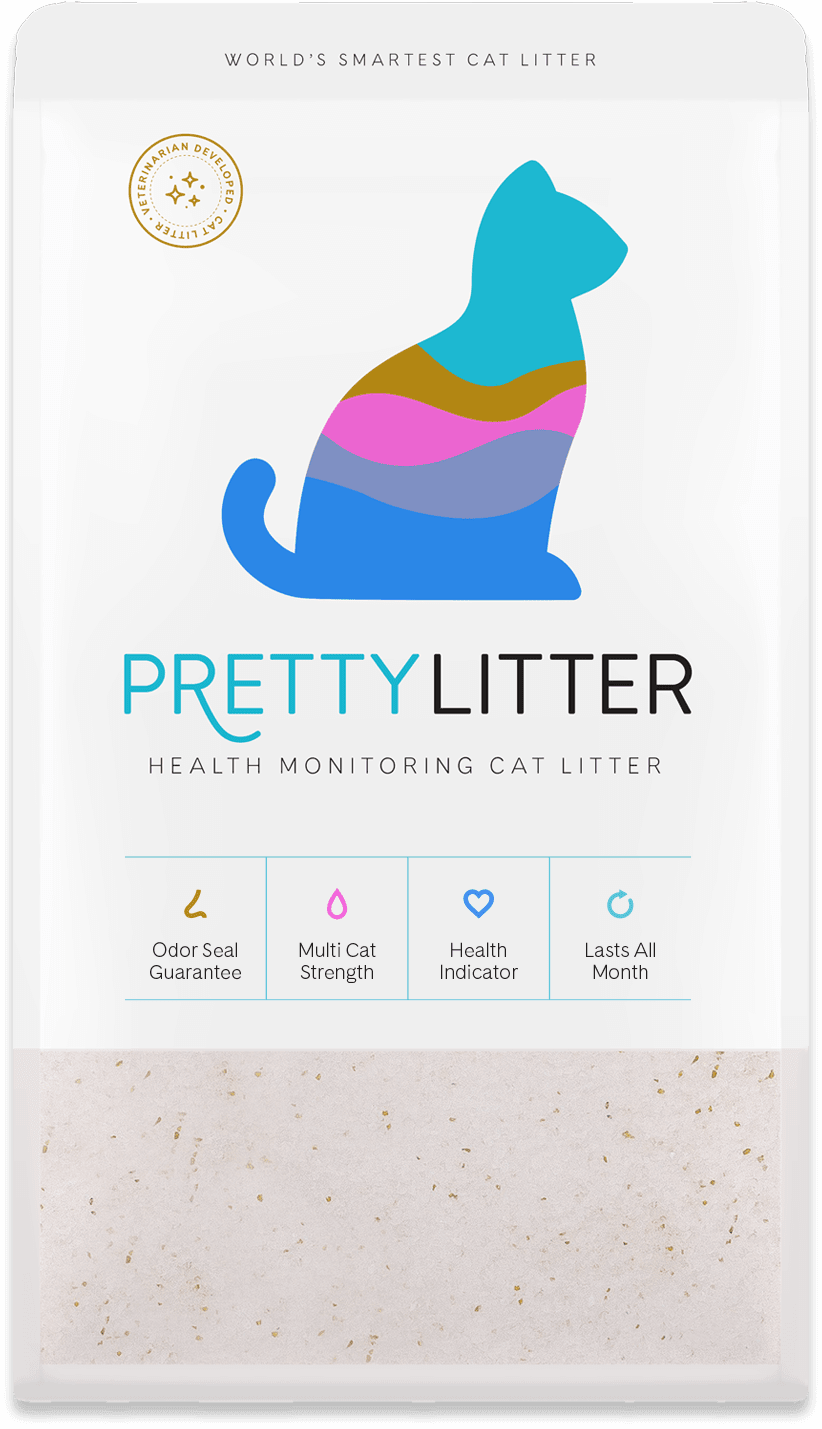
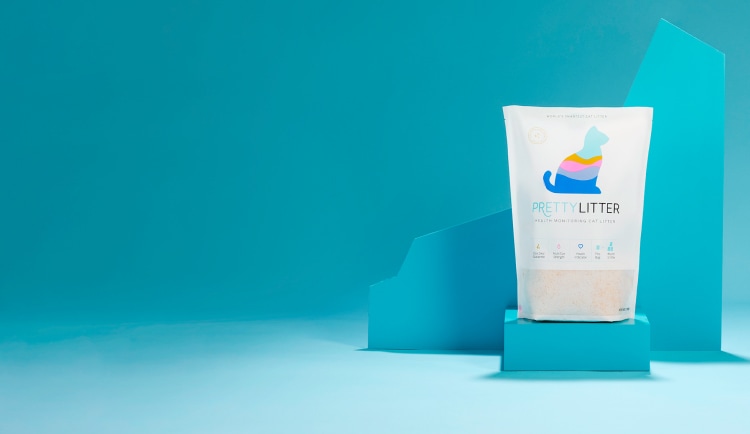
Now that you know how to get rid of cat pee smell in the house when accidents occur, let’s talk about how to stop odors from taking hold in the first place. PrettyLitter’s lightweight, silica-gel crystals work around the clock to help you enjoy a fresher home every day of the month.
PrettyLitter’s Odor Control Technology
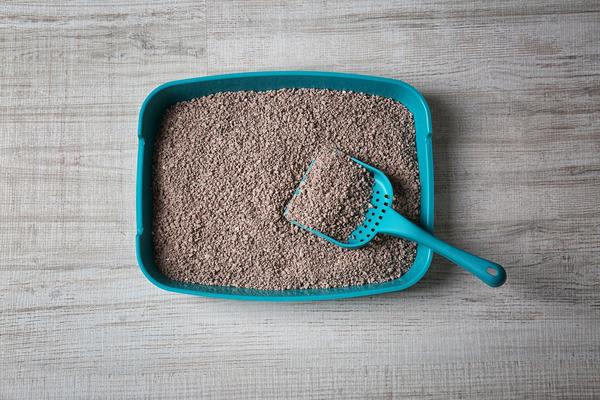
PrettyLitter is made from ultra-absorbent silica gel crystals that offer advanced odor control by locking in odor and eliminating moisture. When your cat urinates, the crystals quickly absorb the liquid, trap odor molecules inside microscopic pores, and help maintain low ammonia odor levels for up to 30 days. That means you can say goodbye to that litter box smell, even in a small apartment or a multi-pet household.
How the Technology Works (in Plain English)
Here’s the magic behind the freshness:
- Rapid absorption – The silica gel pulls in moisture.
- Odor trapping – Ammonia molecules get locked inside the crystal pores.
- Waste drying – Solid waste dries out faster, making scooping simpler.
- Low maintenance – Just scoop the poop.
- Month-long freshness – One 6 lb bag lasts up to 30 days for most cats.
This is odor control that doesn’t require fragrance sprays or complicated routines. PrettyLitter helps stop odor at the source, before you even need to break out the enzymatic cleaner.
Proactive Health Monitoring
One of PrettyLitter’s biggest advantages is that it changes color, giving you insights into your cat’s potential health concerns. It can notify you of potential health issues, helping you get them to the vet before they become serious. PrettyLitter doesn’t diagnose illnesses, but it does tell you what your cat can’t, and that kind of peace of mind is priceless.
Living Fresh and Easy with PrettyLitter
Whether you’re learning how to get rid of cat pee smell, prepping for guests, mapping out how to prepare your house for a pet sitter, or calculating how much does it cost to own a cat, a fresh home matters. And with the right cleanup strategies plus PrettyLitter’s proactive odor-control technology, keeping your home welcoming becomes a whole lot easier.
You deserve a space that smells as lovely as the moments you share with your cat. And with PrettyLitter on your side, you can enjoy up to 30 days of freshness, reliable odor control, and early insights into your cat’s well-being—all in one ultra-lightweight bag.
If you're ready to enjoy a cleaner, calmer, fresher home, PrettyLitter makes it simple. Try PrettyLitter risk-free and experience the difference for yourself.
Sources:
- McGill. “Why does cat urine smell so bad and what can I do about it?” https://www.mcgill.ca/oss/article/you-asked/why-does-cat-urine-smell-so-bad-and-what-can-i-do-about-it.
- PubMed. “Effectiveness of products in eliminating cat urine odors from carpet.” https://pubmed.ncbi.nlm.nih.gov/2753778/.
- Astrophysics Data System. “Precipitation diagrams and solubility of uric acid dihydrate.” https://ui.adsabs.harvard.edu/abs/1987JCrGr..83..581B/abstract.


