February 10, 2026 |7 min read
How Often to Scoop Cat Litter

Written by




Keeping up with litter box care can feel like a never-ending task, especially when you're balancing work, family, and everything else life throws your way. The good news is that a simple, consistent routine makes all the difference. In this guide, we'll walk you through exactly how often to scoop and stir cat litter, what factors influence your cleaning schedule, and how options like PrettyLitter can make daily maintenance easier.
The Importance of a Clean Box
Scoop your cat's litter box at least once daily to control odor, monitor their health, and prevent accidents outside the box. For multi-cat households, increase this to at least twice daily. Medical experts emphasize that litter boxes should be cleaned daily, not only for your cat's comfort but also for human health safety.
Since cats are fastidious, they may avoid a dirty box, and veterinary experts confirm that cats might refuse to use it and soil outside the box if cleanliness isn't maintained. Daily scooping and stirring also serves as a valuable health check, allowing you to spot changes in your cat's waste that could signal underlying issues.
The Daily Gold Standard: Why Once Is Minimum
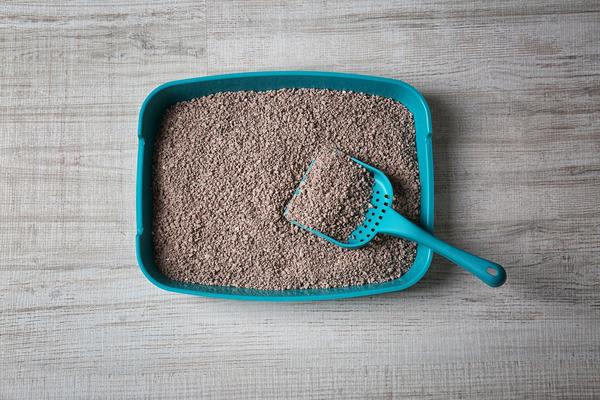
Cleaning the litter box daily prevents ammonia buildup, which can make the box unpleasant and drive your cat elsewhere. Crystal litters like PrettyLitter require a slightly different approach: scoop solids daily and gently stir the crystals to distribute moisture for optimal odor control.
Here's your scooping schedule based on your household setup:
|
Household Type |
Recommended Scooping Frequency |
|
One cat, clumping litter |
At least once daily |
|
One cat, crystal litter |
Scoop daily; stir 1–2× daily |
|
Multi-cat, clumping litter |
At least twice daily |
|
Multi-cat, crystal litter |
Scoop solids twice daily; stir 2× daily |
Factors That Influence Your Scooping Frequency
While daily scooping is the baseline, several factors can influence your cleaning frequency, helping you create a custom maintenance schedule.
Multi-Cat Households
The golden rule is one litter box per cat, plus one extra, to prevent territorial disputes and ensure every cat has a clean spot. More cats produce more waste, making scooping at least twice daily essential for odor control and hygiene maintenance for clean litter.
Veterinary experts confirm that if you have multiple cats, you may need to clean the box more often than the standard once-daily schedule. A multi-cat litter is formulated to handle this increased usage.
Type of Litter
Your choice of litter directly impacts your maintenance routine, as each type has different properties and replacement schedules. The main litter types require distinct care approaches:
- Clumping litter forms solid clumps when wet, making daily scooping straightforward.
- Crystal litter locks in moisture for extended periods with just daily solid scooping and occasional stirring.
Diet and Digestive Health
Your cat's diet affects waste consistency, frequency, and odor. High-quality food typically produces smaller, less odorous stools, making scooping more pleasant.
If odor remains an issue despite daily scooping, consider nutrition options. Just be aware that sudden diet changes may temporarily increase scooping needs as your cat's system adjusts.
The Benefit of Scented Litter
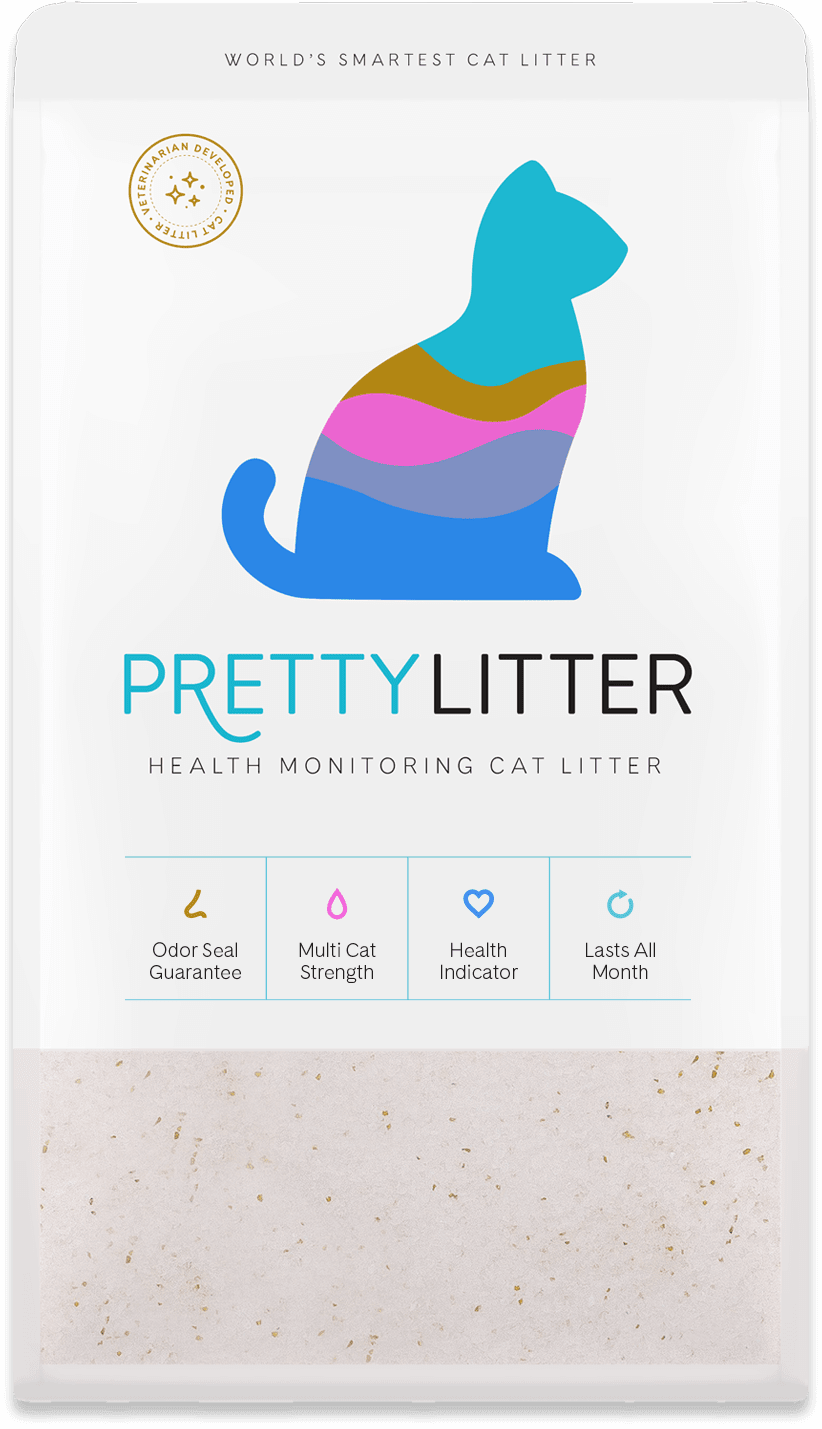
Lightly scented cat litter can help keep small spaces feeling fresh between scoops. PrettyLitter’s scented litter options are carefully formulated using purified, pet-safe ingredients to provide subtle freshness without overwhelming sensitive feline noses:
- Calm Aloe Scented Litter: This formula undergoes a specialized refinement process that separates and removes aloe latex to leave behind only the clean, purified gel used in many human and pet-care products. The result is a light scent that stays fresh without overpowering your cat’s sensitive sense of smell, with added Vitamin E to support fragrance stability and paw comfort.
- Lotus Flower Scented Litter: This scent adds a soft floral freshness with gentle petal notes and real lotus botanicals. It keeps your space feeling light and clean while delivering the same lightweight, low-dust, color-changing formula you expect from PrettyLitter.
Beyond Scooping: The Deep Clean Routine
Beyond daily scooping, complete litter box maintenance requires periodic litter replacement and thorough box cleaning to ensure optimal hygiene.
Full Litter Replacement
How often you completely change the litter depends on the type used and the number of cats. Regularly switching cat litter is necessary because all litters eventually break down and their performance diminishes over time.
Scrubbing the Litter Box
Each time you replace the litter, wash the box with mild, unscented soap and warm water. Feline behavior experts recommend you wash every 1-4 weeks using soap and hot water only.
Consider that the box itself may need replacing periodically, too. Avoid cleaners with strong scents or certain chemicals, as their residual odors can deter your cat. Rinse and dry the box completely before refilling it with fresh litter.
The Litter Box as a Vital Health Tool
Each scooping session is a mini health check, allowing you to observe clump size (if using a clumping formula), color, consistency, and frequency. Noticing changes early can help you identify health issues before they become serious. Sudden shifts can signal conditions worth discussing with your vet.
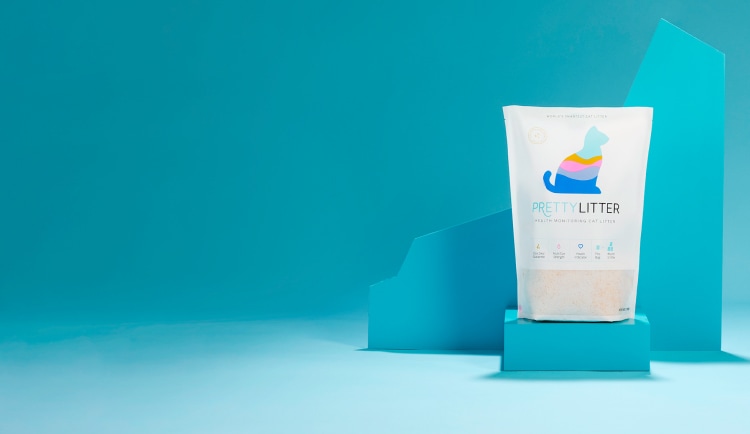
PrettyLitter aids this process by changing color to indicate pH shifts or blood in the urine, offering early insight into potential urinary tract concerns. Remember, PrettyLitter is an early detection tool, not a substitute for professional veterinary care and diagnosis.
Tired of your
home smelling like
you have a cat?
Consistency Leads to Longevity with PrettyLitter
A consistent routine of daily scooping solids and stirring, periodic changes, and deep cleans keeps your home fresh and your cat comfortable while giving you peace of mind about their health. Using a litter that fits your lifestyle, such as a low-maintenance option with health-monitoring features like PrettyLitter, makes this routine much easier to maintain.
Get started with a litter subscription that helps save you time by ensuring fresh litter arrives when needed.
Sources:
- Merck Veterinary Manual. “Toxoplasmosis in Cats.” https://www.merckvetmanual.com/cat-owners/disorders-affecting-multiple-body-systems-of-cats/toxoplasmosis-in-cats.
- Merck Veterinary Manual. “Providing a Litter Box for a Cat.” https://www.merckvetmanual.com/cat-owners/selecting-and-providing-a-home-for-a-cat/providing-a-litter-box-for-a-cat.
- PetMD. “How To Clean a Litter Box Step by Step.” https://www.petmd.com/cat/general-health/how-to-clean-litter-box#howoftentocleanalitterbox.


