December 7, 2025 |10 min read
Stop Cat Pee Odor: The Carpet Cleaning Guide

Written by




Discovering cat pee on your carpet can feel overwhelming, but the right cleaning method can eliminate both the stain and the lingering odor. This isn't just about maintaining a clean home, as research shows that 28% of pet relinquishments1 involve behavioral issues, making effective urine odor removal crucial for keeping cats in their homes.
Whether you're dealing with a fresh accident or an older spot you just found, this guide walks you through proven techniques that work, including enzymatic cleaners and safe DIY solutions. You'll learn how to act fast when accidents happen, which products deliver lasting results, and how to troubleshoot stubborn cases that don't respond to surface cleaning.
The Cat Pee Emergency
To get cat pee out of carpet, you need to blot the area immediately with clean cloths, then saturate it with an enzymatic cleaner and let it air dry completely. This method works because enzymatic cleaners contain special proteins that break down the uric acid causing the persistent odor.
The key is understanding that fresh urine is much easier to remove than dried stains since it hasn't had time to soak deep into carpet padding. As cat urine dries, it forms uric acid crystals that bond tightly to carpet fibers and reactivate with moisture. This explains why the smell can return on humid days or when you try cleaning with water alone.
Understanding why does cat urine smell so bad helps you choose the right cleaning approach. Even if you discover an older accident, the methods below still work, though they may require patience and a second application.
Immediate Action: The First 60 Seconds
When you find a wet spot, your goal is simple: absorb as much liquid as possible before it penetrates deeper carpet layers. Speed matters because once urine soaks into padding or subfloor, surface cleaning won't eliminate the source of the odor. Grab clean towels or paper towels and start blotting right away. These first moments determine how successful your cleaning will be.
The Blotting Technique: Absorb, Don't Scrub
Press clean, absorbent cloths firmly into the wet area, working from the outside edges inward to prevent the urine from spreading to a larger area. Blotting lifts liquid straight out of carpet fibers, while scrubbing pushes urine deeper and damages carpet texture.
Keep blotting with fresh towels until no more moisture transfers from carpet to cloth. This foundation step sets you up for success with whatever cleaning method you choose next.
Avoid Common Mistakes That Set the Stain
Certain cleaning methods can make cat pee problems worse instead of better. Here are the biggest mistakes to avoid:
- Using heat or steam cleaners – Heat can set urine stains and odors,2 making them more difficult to remove, permanently bonding uric acid to carpet fibers
- Scrubbing vigorously – This damages fibers and spreads urine to untreated areas
- Applying ammonia-based cleaners – Cats smell ammonia as similar to urine, encouraging them to mark the same spot again
- Mixing different cleaners – Never combine products like vinegar and hydrogen peroxide directly, as this creates unsafe reactions. Always test any new cleaning product on a hidden carpet patch first to check for discoloration
The Enzymatic Deep Clean Method
Enzymatic cleaners are the most reliable solution for removing cat urine from carpet completely. These products contain live enzymes that digest the organic compounds in urine, eliminating odor at its source rather than just masking it. As cleaning expert Carolyn Forté confirms,3 "stain remover with enzymes" is the most effective approach for permanent odor control.
Why Enzymes Are Essential for Complete Removal
Regular household cleaners can't break down uric acid crystals, which is why the smell often returns after cleaning with soap and water. Enzymes are specialized proteins that digest uric acid, urea, and other compounds that create persistent odors. These powerful biological agents essentially "eat the uric acid crystals, breaking them down into harmless substances" that can be easily removed from carpet fibers.4
Step-by-Step Enzymatic Application
Patience is key, since enzyme cleaners take time but deliver lasting results that eliminate odor completely. Follow this process for the most effective deep clean:
- Blot fresh urine or rewet dried spots with warm water, then blot thoroughly
- Apply enzymatic cleaner generously to saturate the stained area and extend coverage a few inches beyond visible edges
- Let it dwell for at least 10-15 minutes; cover heavily soiled areas with damp cloth for up to 24 hours
- Blot excess cleaner with clean towels without rinsing
- Air dry completely using fans or dehumidifiers to speed the process
- Repeat if needed for stubborn odors that persist after full drying
Equipment Checklist for Success
Having the right tools ready makes cleaning faster and more effective:
- Clean cloths or paper towels for initial blotting
- Enzymatic cleaner formulated specifically for cat urine
- Spray bottle for even application
- Rubber gloves to protect your hands
- Fans or dehumidifier to accelerate drying
- UV flashlight to locate hidden or dried stains
Natural and DIY Solutions (for Immediate Supplement)
DIY solutions can help with fresh accidents or serve as pre-treatment before enzymatic cleaning. However, these methods work best as supplements to enzymatic cleaners, not replacements.
Vinegar and Water Solution: The Neutralizer
White vinegar neutralizes alkaline salts in fresh cat urine, reducing initial odor intensity. Mix equal parts distilled white vinegar and water in a spray bottle, then spray the mixture over the blotted area. Let it sit for 5-10 minutes, then blot thoroughly with clean towels. Since vinegar alone won't eliminate uric acid, follow with enzymatic cleaner or baking soda for complete removal.
Baking Soda Power: Odor Absorption
Baking soda draws moisture and odors from carpet fibers naturally. After treating with vinegar or enzymatic cleaner, sprinkle a generous layer over the damp spot and let it sit for several hours or overnight to absorb remaining odors. Vacuum thoroughly once the area is completely dry, and repeat if needed.
The Peroxide Boost: Deep Stain and Odor Oxidation
For tough stains, hydrogen peroxide acts as an oxidizer that breaks down odor compounds and lifts discoloration. Mix 1 cup water, 1 cup 3% hydrogen peroxide, and 3 tablespoons baking soda in a spray bottle. Test on a hidden spot first since peroxide can bleach some dyes. Spray lightly over the stain, let sit for 10-20 minutes, then blot with clean, damp cloths to rinse.
Advanced Troubleshooting and Prevention
Research indicates that carpet soiling alone accounts for 13% of behavior-related pet relinquishments,1 highlighting why thorough stain and odor neutralization is essential for keeping cats in their homes. Recurring accidents often signal underlying health or behavioral issues that need attention beyond just cleaning.
Finding Hidden Spots with UV Light
Dried urine glows under ultraviolet light, making invisible stains easy to locate. Darken the room and sweep a UV flashlight slowly over carpeted areas, marking glowing spots with painter's tape.
Check corners, baseboards, and under furniture where cats often choose hidden spots when stressed. A UV light is inexpensive and invaluable for multi-cat households or chronic issues.
Addressing the Behavioral Cause
Understanding why your cat avoids the litter box helps prevent future accidents. Common triggers include:
- Litter box problems: Too small, not clean enough, or located in high-traffic areas
- Stress factors: New pets, moving, loud noises, or routine changes
- Territory marking: Common in multi-cat homes or with intact cats
- Surface preferences: Soft textures like carpet over litter
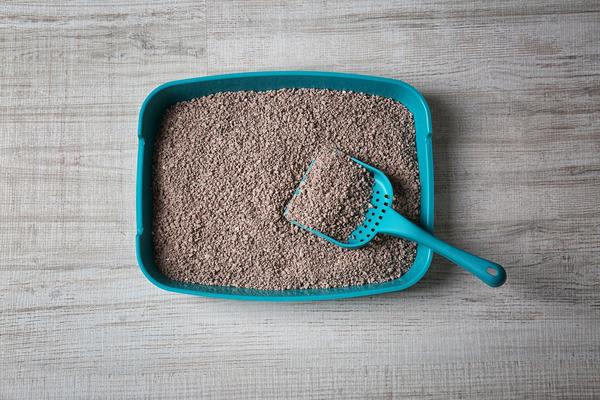
Start by evaluating your litter box setup. Provide one box per cat plus one extra, scoop daily, and place boxes in quiet locations.
The Vet Check
Sudden changes in bathroom habits often indicate health problems that need veterinary attention, including potential urinary tract infections. Straining, vocalizing, or blood in urine requires immediate professional care since inappropriate urination can signal Feline Lower Urinary Tract Disease, urinary crystals, kidney issues, or diabetes.
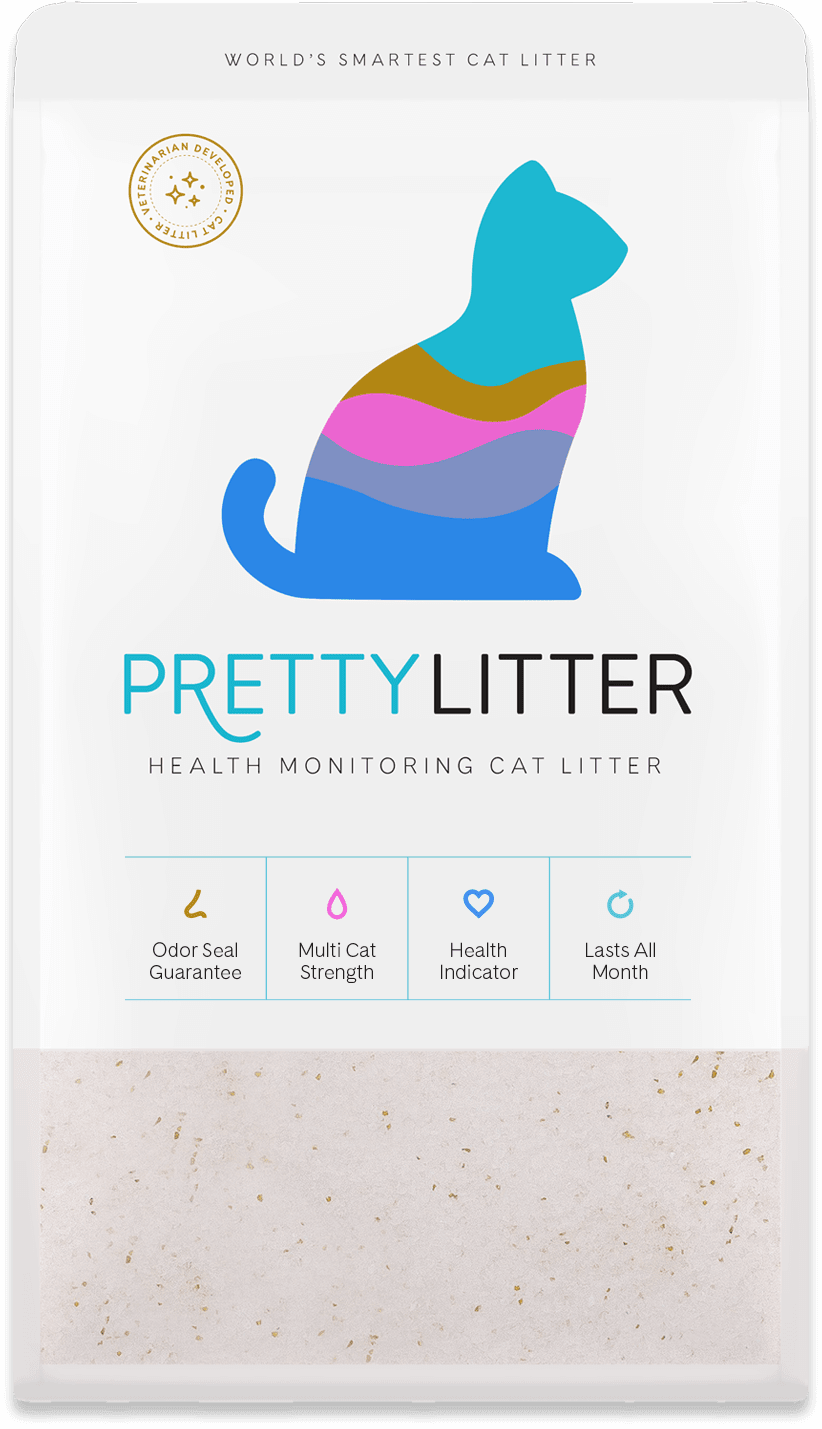
A health-monitoring litter helps monitor your cat's health by changing color in response to pH shifts and other urinary abnormalities. This provides insights that help you have informed conversations with a good veterinarian about potential issues. While not a diagnostic tool, PrettyLitter detects early signs of potential illness before accidents become chronic problems.
When Cleaning Isn't Enough: Padding and Subfloor
Persistent odors after multiple cleanings usually mean urine has soaked through carpet into padding or subfloor. Signs include smell that worsens on humid days or visible staining on carpet backing.
You may need to lift carpet, replace affected padding, and clean subfloor with enzymatic cleaner before sealing with shellac-based primer. Professional carpet cleaners can help assess whether padding replacement is necessary.
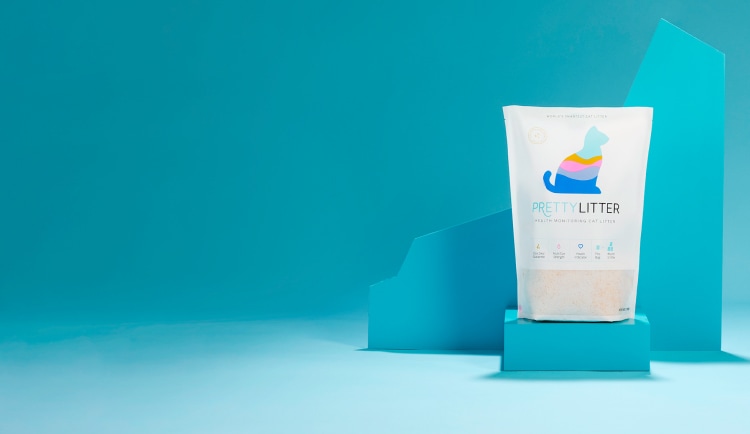
Enjoy a Clean Carpet and a Happy Home with PrettyLitter
Getting cat pee out of carpet successfully requires acting fast, using enzymatic cleaners for complete odor breakdown, and addressing why accidents happen. Even stubborn stains can be conquered with patience and the right approach through every stage of your cat’s life.
Combining effective cleaning with proactive health monitoring through PrettyLitter helps you provide the best care for your cat while maintaining a fresh, comfortable home you both enjoy.
Sources:
- National Center for Biotechnology Information. “Investigating the Reasons behind Companion Animal Relinquishment: A Systematic Content Analysis of Shelter Records for Cats and Dogs, 2018–2023.” https://pmc.ncbi.nlm.nih.gov/articles/PMC11394480/.
- Indoor Environmental Restoration Experts. “How do you neutralize the smell of urine?” https://iere.org/how-do-you-neutralize-the-smell-of-urine/.
- Good Housekeeping. “How to Get Rid of Cat Pee Smell on Almost Any Surface.” https://www.goodhousekeeping.com/home/cleaning/a25351223/cat-pee-smell/.
- Indoor Environmental Restoration Experts. “What gets rid of pet urine smell?” https://iere.org/what-gets-rid-of-pet-urine-smell/.


