
April 26, 2022 |9 min read
How Often to Change Cat Litter: A Simple Guide

Written by




Updated Jan 12, 2026
As cat owners, we care for our little ones as best as we can, but sometimes we can forget to do certain things that need to be done on a regular basis. Sure, you change your cat’s litter as often as you do, but how often do you replace their litter box? Don’t worry; this is a judgment-free zone, and we’ve all been there, but imagine how upset you’d be if you came home to a backed-up toilet that had difficulty flushing every day. Now think about how your cat might feel if they have to deal with an overcrowded litter box that hasn’t been changed out, cleaned, or replaced.
In order to keep your cat happy and healthy, maintaining a regularly cleaned-out litter box is essential.
Cats who become uncomfortable using their own litter box will quickly begin using other not-so-cat-feces-friendly places to go to the bathroom, such as your closet or beside your bed. Soon, they won’t be the only ones uncomfortable with the situation.
Why is regularly changing cat litter important?
Regularly changing your cat’s litter plays a direct role in your cat’s comfort, habits, and overall routine. Cats are famously particular, and a litter box that’s overdue for a change can quickly become a dealbreaker. When the box feels off, cats may hesitate, avoid it altogether, or start looking for alternatives around your home (and no one wants that surprise).
Fresh litter also helps maintain a more pleasant environment for everyone sharing the space. Over time, used litter can lose its ability to manage moisture effectively, making the box harder to maintain day by day. By sticking to a consistent replacement schedule, you’re setting your cat up for a smoother, more predictable bathroom experience, and making litter box upkeep easier on yourself in the long run.
How often should you change out your cat’s litter?
A happy and healthy cat will generally pee anywhere from two to five times a day. They also expel solid waste about once a day, maybe even more. Many factors like age, fluid intake, diet, medications, exercise habits, and even home temperature affect your cat’s peeing and pooping habits. If your cat’s using the litter box three to five times a day, then you should be changing out the kitty litter for fresh litter quite regularly as well.
What are the signs that it’s time to change the litter?
Sometimes, the litter box tells you exactly what it needs—no calendar required. Here are a couple of signs that it’s time to change the litter:
- Litter texture – If it seems overly saturated, clumps break apart too easily, or the texture feels uneven, it’s probably time for a reset
- Your cat’s behavior – Hesitation before using the box, frequent digging without settling, or sudden interest in other areas of the house can all signal that something’s off. When a normally reliable routine starts to wobble, the litter box is often the first place to check
Trust your instincts here. If the box looks like it’s seen better days or maintaining it suddenly feels like more work than usual, that’s your cue to start fresh.
How do you scoop and clean your cat’s litter box properly?
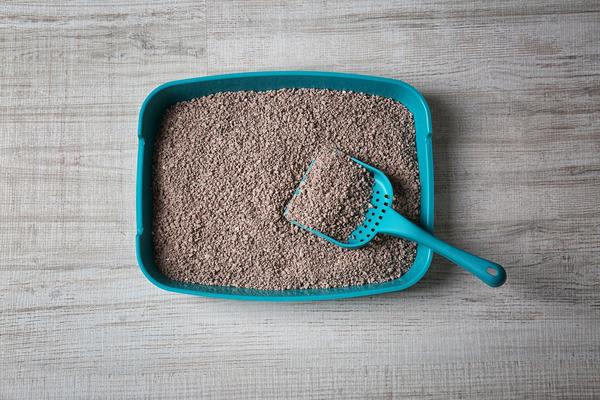
In a perfect world, cat owners should scoop out the box about twice a day and try to maintain a regular cleaning schedule; but it's okay if you can only do it once a day, depending on you and your cat’s lifestyles and habits. Just don’t let it sit there for more than a day, as the kitty litter can get really unsanitary and uninhabitable for your cat.
To properly dispose of the soiled litter, use a litter scoop sifting tool to scoop out the leftovers of your cat’s bathroom visit. Drop all items into a plastic bag, tie it up, and throw it out in an outdoor trash can. Avoid flushing it, as cat waste can damage plumbing and harm local ecosystems. Then, wash the scoop thoroughly with water and baking soda.
How should you wash the litter box?
It’s important to wash the box and litter tray itself with warm water and soap, or water and vinegar. This will help remove any potential odor and maintain freshness. Never use bleach to wash the box and cat litter tray because it can interact with the ammonia in your cat’s pee and that can be hazardous. And if you’re pregnant, you should never be the one changing out the litter, as you can risk contracting toxoplasmosis.
What happens if you don’t change litter frequently enough?
Putting off a full litter change can snowball faster than you’d expect. As litter ages, it becomes less effective at managing moisture, which can make daily scooping more challenging and less efficient. Over time, that can turn a once-simple chore into a bigger cleanup job than necessary.
More importantly, an overdue litter change can disrupt your cat’s routine. Cats thrive on consistency, and when their litter box doesn’t meet expectations, they may start avoiding it altogether. That’s when stress, confusion, and unwanted behaviors can creep in, often with no warning.
Staying on top of litter changes isn’t about perfection; it’s about prevention. A fresh box supports better habits, smoother maintenance, and a more comfortable environment for both you and your cat.
What type of litter box is easiest to clean?
Consider investing in a stainless steel litter box for your cat. Litter boxes come in many materials, but most are plastic. Plastic and wood-based litter boxes are more porous and can absorb bacteria from urine and cat feces. So even though you may regularly clean out and wash your cat’s litter box, it's never fully clean.
A stainless steel litter box won’t be porous and will be easier to wash thoroughly when the time comes. Plus, it will have to be replaced less than a wood or plastic litter box, which is recommended to be replaced every few months.
How does litter type affect your cleaning routine?
The types of cat litter matter, too. Sometimes clumping litter gets dried up when you’re changing out the litter, so washing and scrubbing the box out thoroughly is important. Silica-based litters, like PrettyLitter, offer a low-maintenance solution by absorbing moisture without clumping, making daily scooping quick and easy.
Tips for managing litter boxes in multi-cat households
If you have more than one cat, managing litter boxes can become a bit more complex. The general recommendation is to have one litter box per cat, plus one extra. This helps reduce crowding and competition, which can lead to litter box avoidance or accidents elsewhere in the house.
Multiple cats mean more frequent litter changes and cleaning. Urine and feces accumulate faster, so scooping daily and changing litter more often is key to keeping the boxes fresh.
Using different types of litter boxes or litter in different areas can also help if one cat prefers a particular setup. Keep the boxes in quiet, easily accessible locations to reduce stress and territorial behavior. Regularly monitor each box for signs of wear and replace as needed to maintain cleanliness and comfort for all your cats.
Cats are very territorial animals, and sometimes they’ll react strangely and assertively when you move their litter box for cleaning. Keep an eye on this cat behavior, and just remember that they’ll be happier and healthier cats once their litter box has been properly taken care of!

Make Litter Box Management Easier with PrettyLitter
When it comes to choosing cat litter, PrettyLitter is a name to know. Our innovative cat urine-activated, color-changing cat litter formula can help you discover possible health concerns with your cat before they turn into serious medical issues.
Using PrettyLitter can help you respond quickly to your pet’s needs, leading to fewer trips to the vet. Plus, with monthly delivery and free shipping, it’s never been easier to experience the difference with PrettyLitter. Make the switch today.
Sources:
- Armand Hammer. How and How Often to Scoop or Change the Litter Box. https://www.armandhammer.com/articles/how-often-change-cat-litter
- Human world for animals. How to Litter Train a Kitten or Cat: Tips for Litter Boxes, Placement & Common Issues. https://www.humaneworld.org/en/resources/how-litter-train-kitten-or-cat-tips-litter-boxes-placement-common-issue
- Modcat. How often do I really need to clean my cat's litter box?https://modkat.com/blogs/modkat-purrr/how-often-do-i-really-need-to-clean-my-cats-litter-box
- Pets Radar. Do you know how (and how often) to clean litter boxes? https://www.petsradar.com/advice/do-you-know-how-and-how-often-to-clean-litter-boxes


