
December 14, 2025 |11 min read
Cat Life Stages: Essential Care for Every Age

Written by




A cat’s lifespan moves much faster than a human’s life does, and aging through distinct phases brings different needs and joys. Understanding these cat life stages, from the explosive growth of kittenhood through the golden senior years, helps you provide the right nutrition, enrichment, and veterinary care to keep your cat healthy and happy.
This guide walks you through the four main feline life stages: Kittenhood, Young Adult, Mature Adult, and Senior/Geriatric. You'll discover what to expect at each phase, how to spot subtle health changes, and how tools like PrettyLitter can help you monitor your cat's wellbeing at home alongside regular vet visits.
Stage 1: Kittenhood (0–6 Months) – Rapid Growth
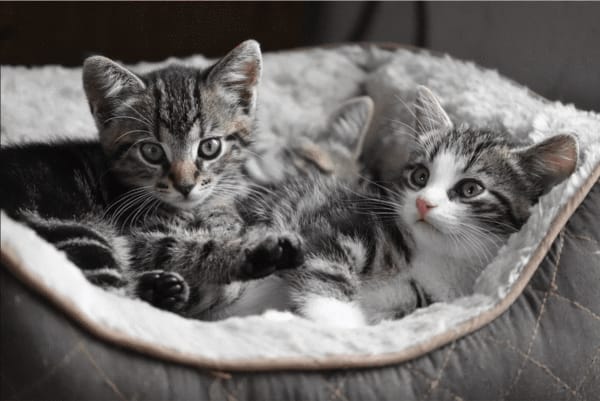
Kittenhood is the period from birth to six months when your cat experiences explosive growth and development. During these few short months, your tiny kitten transforms physically, socially, and behaviorally, setting the foundation for their entire adult life. Research identifies the sensitive period for socialization1 in kittens as approximately 2 to 9 weeks of age, making early socialization and positive experiences crucial during this stage.
Key Developmental Milestones
Your kitten's first few months are packed with incredible changes that happen almost daily. Watching these milestones unfold helps you understand what to expect and how to support their development at each step. Here's what you can expect during this rapid growth phase:
- Physical changes – Eyes and ears open within the first couple weeks, baby teeth erupt and fall out around three months, and motor skills develop from wobbly steps to confident climbing.
- Behavioral growth – High play drive and boundless curiosity emerge, with the critical socialization window occurring between two to seven weeks.
- Learning opportunities – This is the perfect time to introduce carrier training, nail trims, and tooth brushing as positive experiences.
Essential Health & Safety Checklist
Setting your kitten up for success starts with establishing good health habits early. Taking a proactive approach during these formative months makes all the difference in their long-term wellbeing.
Your kitten's first vet visit should include core vaccinations, deworming, and a general health assessment. This visit is also when you'll discuss spaying or neutering, which typically happens around six months.
Proper nutrition is equally important during this growth phase. Provide high-quality kitten food rich in protein and essential nutrients to fuel their rapid development, as the transition from mother's milk to solid food usually begins around four to six weeks.
When setting up their litter box, choose one with low sides for easy access and consider a low-dust cat litter to support their developing systems. Since kittens urinate frequently in small amounts, establishing a litter box baseline early helps you notice any unusual changes as they grow.
Stage 2: Young Adult (7 Months – 6 Years) – Prime Health
Young adulthood marks your cat's transition from adolescence to full maturity. During this stage, they reach their adult size, settle into their unique personality, and are generally in peak physical condition.
As your cat matures, you may notice territorial or social behaviors emerging, especially around sexual maturity if they haven't been spayed or neutered yet. This is also when their energy levels are at their highest, requiring thoughtful management of your cat’s needs.
Managing Energy and Boredom
A young adult cat is an intelligent, active animal that needs plenty of mental and physical stimulation. Without proper outlets, boredom during this high-energy phase can lead to unwanted behaviors like scratching furniture or inappropriate elimination.
The key is providing structured activities that satisfy their natural instincts. Play with your cat at least twice daily using wand toys or laser pointers to mimic hunting behavior, while also providing vertical spaces like cat trees, scratching posts, and safe window perches for environmental enrichment.
Cat enrichment toys and puzzle feeders make mealtime more engaging while preventing them from eating too quickly. Combined with consistent routines and positive reinforcement, these strategies help encourage good behavior and strengthen your bond.
Nutrition and Weight Management
As your cat exits kittenhood, their nutritional needs shift from supporting rapid growth to maintaining adult health. This transition is crucial, as weight management during these prime years prevents joint issues and metabolic problems later. With 33% of cat owners categorizing their pets as overweight or obese,2 establishing proper portion control and feeding habits during young adulthood is more important than ever.
Between six and twelve months, gradually transition from kitten food to a high-quality adult formula. PrettyPlease cat food offers premium nutrition with essential vitamins and nutrients designed to support adult cats and help maintain an ideal weight.
Following feeding guidelines carefully and using portion control prevents weight gain that can cause problems down the road. Annual vet checkups are essential for monitoring their weight and catching early signs of dental disease or other emerging concerns.
Stage 3: Mature Adult (7–10 Years) – Subtle Shifts
Mature adulthood is when your cat enters their middle-aged years, comparable to humans in their forties and fifties. While they may still be playful and active, you'll likely notice them starting to slow down slightly as their energy levels naturally decrease.
This is when preventive care becomes more important than ever, as many age-related conditions can begin developing silently during this stage. Research shows that 89.2% of cases of chronic kidney disease are diagnosed in cats over seven years of age, highlighting why regular monitoring makes a significant difference in their long-term health.
Bi-Annual Veterinary Visits Are Key
Visiting the vet twice a year allows for early detection of common mature-adult conditions. Your veterinarian can establish health baselines and perform routine screenings that catch potential issues before they become serious.
If you need a new provider, learning how to find a good vet experienced with mature cats is important for this stage. Routine bloodwork and urinalysis every 6–12 months4 help check for kidney disease, hyperthyroidism, and diabetes, which are conditions that are far more manageable when caught early.
Maintaining Mobility and Comfort
Continue engaging your mature cat in gentle play, but adjust intensity to match their decreasing energy levels. Weight management remains a top priority, as extra pounds can worsen arthritis and mobility issues that may be starting to develop.
Watch for subtle changes that signal potential problems. Pay attention to their litter box habits too, as shifts in frequency or volume can signal underlying health issues. Here are key areas to monitor during this stage:
- Activity levels – Notice if they're sleeping more or playing less than usual.
- Appetite changes – Both increased and decreased eating can indicate health issues.
- Litter box patterns – Changes in urination frequency or difficulty may signal problems.
Stage 4: Senior/Geriatric (11+ Years) – Focus on Comfort
Senior cats are those over ten years old, with geriatric cats being fifteen and older. This stage focuses on comfort, managing chronic conditions, and maximizing quality of life through attentive care. With chronic kidney disease3 affecting 20–50% in cats over 10 years of age, your companionship and careful observation become more valuable than ever during these golden years.
Monitoring Chronic Conditions
Many cats develop age-related health conditions in their senior years, but these can often be managed effectively with proper care. Working closely with your vet to manage medications, special diets, or treatments as needed becomes part of your routine. Your daily observations provide invaluable information about changes in appetite, water intake, mobility, and bathroom habits that help guide treatment decisions.
Daily Health Alerts and Data
Since cats hide discomfort naturally, veterinarians rely heavily on your at-home observations during senior years. You know your cat's normal behavior better than anyone, making you the first line of defense in noticing when something's off.
PrettyLitter helps you keep tabs on your cat's health by indicating early signs of potential illness. This color-changing cat litter reacts to urinary abnormalities like pH changes or blood presence, which could indicate kidney disease, bladder stones, or other issues.
While PrettyLitter is an early detector and not a diagnostic tool, it provides insights that help you know when to call the vet. Consult your veterinarian if you notice color changes for 48 hours, or if you notice other shifts in your cat's health.
Environmental Adjustments for Seniors
Simple home modifications can dramatically improve your senior cat's daily comfort and mobility. The goal is making their routine as easy and stress-free as possible while maintaining their independence. Consider these practical adjustments:
- Accessibility – Use litter boxes with lower sides or ramps, and place boxes on each floor to reduce travel distance and prevent accidents like cat pee on carpet.
- Convenience – Keep food, water, and litter boxes in quiet, easily accessible locations.
- Comfort – Provide soft, warm bedding in favorite sleeping spots, with heated beds being especially soothing for arthritic cats.

A Commitment for a Lifetime
Understanding the different stages of a cat’s life empowers you to provide thoughtful care that supports their health and happiness throughout their life. From energetic kittenhood to dignified senior years, each phase brings unique joys and challenges that deepen your bond.
Proactive health monitoring, regular vet visits, and a loving home environment form the foundation of a long, vibrant life for your feline friend. To learn more about supporting your cat's longevity, explore resources on average cat lifespan and discover how your dedicated care makes all the difference.
Sources:
- Cambridge University Press. “Understanding kitten fostering and socialisation practices using mixed methods.” https://doi.org/10.1017/awf.2024.45.
- Association for Pet Obesity Prevention. “2024 Pet Obesity Survey Results.” https://www.petobesityprevention.org/2024-survey.
- MDPI. “Epidemiology of Chronic Kidney Disease3 (CKD) in Cats: An Analysis of the Factors Involved.” https://www.mdpi.com/2075-1729/15/12/1856.
- American Animal Hospital Association (AAHA). “Diagnostic Tests and Recommended Frequencies for Senior Dogs and Cats.” https://www.aaha.org/resources/2023-aaha-senior-care-guidelines-for-dogs-and-cats/diagnostic-tests-and-recommended-frequencies-for-senior-dogs-and-cats/.


