September 2, 2026 |15 min read
How Often Should You Change Kitty Litter? A Complete Guide

Written by




You have your litter box routine down to a T. You scoop the box, top it off with fresh litter, but then wonder: When does the whole thing actually need to be changed? There isn't one schedule that works for every cat.
How often should you change kitty litter depends on the type of litter you use, how many kitties share the box, and how consistently you scoop and clean it. A good starting point is to scoop daily and follow your litter's recommended replacement schedule, adjusting as needed for your cat's habits.
In this guide, we'll help you figure out when to scoop, when to replace the litter completely, and how to keep the box clean and comfortable for your kitty.
Why It's Important to Change Kitty Litter Regularly
A litter box does more than give your cat a place to go. It is part of their everyday environment, so keeping it clean can make the box more inviting and help you notice changes in bathroom habits.[1]
Keeps Your Kitty Healthy
A well-maintained litter box supports good hygiene and makes it easier for you to notice changes in your cat's urine or stool.
Removing waste regularly helps limit the buildup of urine and feces in the box. A clean, comfortable box encourages your kitty to use it consistently instead of looking for another spot. Regular cleaning also gives you a chance to notice changes in bathroom habits that may warrant a conversation with your veterinarian.
A dirty box does not directly cause every urinary problem, so avoid treating litter changes as a way to prevent illness. Good litter box hygiene is one part of overall feline care.
Makes the Litter Box More Comfortable
Cats can be particular about their bathroom setup. Strong odors, soiled litter, or an unpleasant texture can make the box less appealing.
Cats often prefer clean litter and may avoid a box that contains too much waste. Keeping the box clean can encourage consistent litter box use.
In multi-cat homes, regular maintenance can help reduce some of the stress that comes with sharing toileting spaces.
Keeps Your Home Fresh
Daily scooping removes the main sources of litter box odor before they have time to accumulate. Regular litter changes also help prevent moisture and waste from lingering in the box. That means a cleaner box for your kitty and a fresher-smelling space for everyone at home.
How Often Should You Change Kitty Litter?
If you're wondering how often you should change kitty litter, the answer depends on the litter type, how many cats use the box, and how quickly it becomes soiled. The key is to separate daily scooping from a complete litter change.[1][2][3][4]
Scoop Kitty Litter Every Day
Daily scooping keeps the box more inviting and helps you notice changes in your cat's bathroom habits.
-
Remove solid waste daily and scoop urine clumps thoroughly.
-
Check the litter level as you scoop and add fresh litter when needed to maintain an appropriate depth.
-
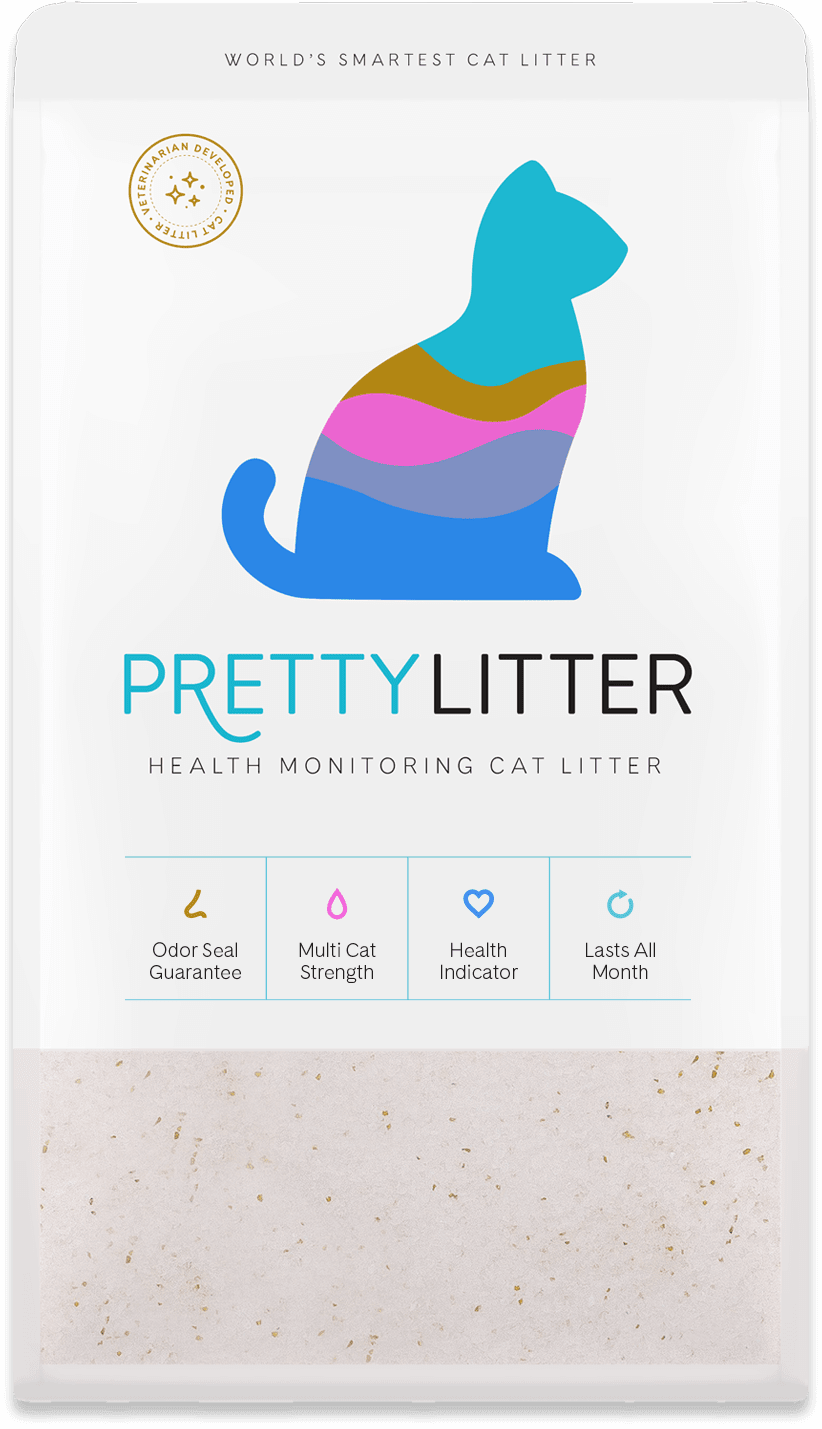
If you use a color-changing litter such as PrettyLitter, daily maintenance also gives you a regular opportunity to notice changes in urine color or other indicators.
If you're unsure how often to scoop cat litter, making it part of your daily routine can help keep the box clean and inviting.
Completely Change Kitty Litter
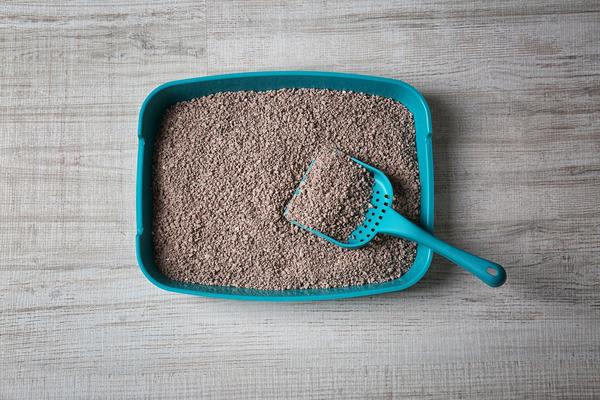
A complete change means emptying the old litter, cleaning the box, letting it dry fully, and adding fresh litter. The timing varies considerably by litter type, so don't treat one schedule as a rule for every product.
Kitty Litter Type |
Scoop |
Replace Completely |
|
Clumping Kitty Litter |
Daily |
About weekly to monthly, depending on the product and use |
|
Non-Clumping Kitty Litter |
Daily |
At least twice a week for one cat |
|
Crystal Kitty Litter |
Remove solids daily |
Follow the product's replacement instructions |
|
Natural Kitty Litter |
Daily |
Follow the product's replacement instructions |
These ranges are starting points, not universal deadlines. Follow the product's replacement instructions and adjust your routine based on how quickly the litter becomes soiled.
What Affects How Often Kitty Litter Should Be Changed?
There is no single litter-changing schedule that fits every home. The number of kitties using the box, the type of litter, the box itself, and your cat's age and health can all change how quickly it becomes soiled.[1][2][3][4]
How Many Kitties Use the Litter Box?
One kitty will generally soil a litter box more slowly than two or more kitties sharing the same space. More cats mean more urine and solid waste, so you may need to replace kitty litter sooner. Providing enough litter boxes can also help distribute use across the household.
Type of Kitty Litter
The type of litter affects cat litter maintenance because each material handles urine and solid waste differently.
Clumping kitty litter forms removable urine clumps, so you can take soiled material out while leaving the rest behind. Non-clumping kitty litter absorbs moisture throughout the box, which can mean more frequent complete changes. Crystal kitty litter absorbs and holds moisture in the crystals, while plant-based formulas vary by material and product. Follow the manufacturer's instructions for the recommended replacement schedule.
If you use clumping litter, our guide to how often to change clumping litter can help you understand its maintenance needs.
Size of the Litter Box
A larger box gives your kitty more room to dig, turn around, and use different areas. It can also give waste more space to spread out before the box feels crowded. Veterinary guidelines recommend a box around 1.5 times your cat's body length.[5]
Your Kitty's Age and Health
Your cat's bathroom habits can shift with age and health. Kittens may need close monitoring while they're learning litter box habits. Adult cats usually settle into predictable routines, while senior cats may develop health conditions that change how often they urinate or use the litter box.
Cats with urinary problems may also need more frequent box cleaning and closer monitoring. If your kitty's bathroom habits suddenly change, talk with your veterinarian rather than assuming the litter is the cause.
Signs Your Kitty's Litter Needs Changing
Your usual schedule isn't the only thing to watch. The litter and your kitty's behavior can also show you when it's time to change the cat litter.[1][2][3][4]
The Litter Box Still Smells After Scooping
A lingering odor after you've removed the waste can mean the remaining litter has absorbed too much urine or needs a complete refresh. Don't rely on air fresheners to cover the smell. A thorough litter change and box cleaning may be a better solution.
Kitty Litter Looks Wet or Saturated
If the litter stays noticeably wet, feels saturated, or you see moisture collecting at the bottom of the box, it's time to change it. This can happen sooner with non-clumping litter because urine remains in the box rather than being removed as a clump.
Kitty Litter Stops Clumping
Clumping litter should form firm clumps that you can remove without leaving large amounts of wet litter behind. If clumps start breaking apart or urine is sticking to the bottom of the box, it may be time to replace the litter.
Your Kitty Avoids the Litter Box
A cat that suddenly stops using a previously accepted box deserves attention. A dirty litter box can contribute to litter box avoidance, but medical or behavioral issues can also cause changes in toileting habits. If the change persists, contact your veterinarian.
The Litter Box Looks Dirty Even After Cleaning
If the box still looks grimy after scooping and topping it up, the litter may need a complete change and the box may need a thorough cleaning.
How to Change Kitty Litter Properly
A complete litter change gives you a chance to remove the old litter, clean the box, and start fresh. Follow these steps to keep the process simple and consistent.[6]
Empty the Old Kitty Litter
Pour the remaining litter into a trash bag and remove any litter stuck to the bottom or sides. If you're changing litter because it has become saturated or unusually smelly, empty the entire box rather than mixing fresh litter into the old layer.
Wash the Litter Box
Wash the empty box with soap and hot water. Avoid strong chemicals and ammonia-based products, which can create unpleasant odors for cats and may discourage box use.
Let the Litter Box Dry Completely
Dry the box thoroughly before adding fresh litter. A damp surface can cause new litter to stick to the bottom and make it harder to keep the box clean.
Add Fresh Kitty Litter
Pour in enough fresh litter for your kitty to dig and cover their waste comfortably. While most cats prefer about 2 inches of litter, the right depth depends on the litter and the manufacturer's instructions.[7]
Common Kitty Litter Mistakes to Avoid
Litter box maintenance can become repetitive, especially when you have a busy day. A few common shortcuts, though, can leave the box less comfortable for your kitty.[1][2][3][4]
Waiting Too Long to Change Kitty Litter
A fixed schedule can become a problem if you ignore what is happening inside the box. If odor, saturation, or residue appears before your usual change day, replace the litter sooner.
Only Adding Fresh Kitty Litter on Top
Topping up restores the litter level, but it doesn't remove moisture or residue underneath. Once the litter needs a complete change, empty and clean the box before adding fresh litter.
Forgetting to Scoop Every Day
Skipping scooping allows waste to remain in the box longer and can make maintenance harder later. Build scooping into an existing daily habit, such as feeding time.
Using Too Little Kitty Litter
A shallow layer may not give your kitty enough material to dig and cover waste. Follow your litter's recommended depth rather than guessing.
Cleaning the Litter Box with Strong Chemicals
Strong cleaners and ammonia-based products can leave smells that cats find unpleasant. Veterinarians generally recommend using mild soap and hot water to clean the box.
Tips to Keep Kitty Litter Fresh Longer
You can extend the life of your litter, make litter box cleaning easier, and control litter box odor with a few consistent habits.[1][2][3][4]
-
Scoop every day. Make daily scooping part of your cat bathroom routine.
-
Replace litter on schedule. Follow the replacement instructions for your litter and change it sooner if it becomes saturated or develops a persistent odor.
-
Clean the litter box regularly. Empty the box completely and wash it before adding fresh litter.
-
Choose a dry, ventilated spot. Keep the box away from damp areas, which can affect moisture and odor control.
-
Use enough litter. Maintain the depth recommended for your particular litter so your kitty has enough material to dig and cover waste.
-
Provide enough boxes. A common recommendation is one litter box per cat, plus one extra, which can help keep individual boxes from becoming overloaded.
How PrettyLitter Helps Make Kitty Litter Maintenance Easier
If scooping, carrying heavy bags, and dealing with lingering litter box odors have become part of your routine, a lightweight crystal litter can make maintenance easier. PrettyLitter uses silica gel crystals that absorb urine and trap moisture, helping keep the surface of the box drier without forming traditional urine clumps.
Daily scooping removes solid waste, while stirring the crystals helps distribute moisture throughout the box. The original formula can last up to about a month in many households, although actual use varies and you should follow the product's replacement instructions.
The crystals also change color in response to certain urine changes, giving cat parents another way to notice something different during daily cleanup. These color changes are not a diagnosis, but they can provide information worth discussing with your veterinarian.
The science behind how PrettyLitter works comes down to its crystal technology, which absorbs moisture, helps control odors, and changes color in response to certain urine changes.
Final Thoughts
A good cat litter maintenance routine doesn't need to be complicated. Scoop daily, follow your litter's replacement instructions, and pay attention to changes in odor, moisture, clumping, or litter box habits. If the box becomes soiled before your usual change day, clean it and start fresh.
With a routine that fits your kitty and your household, litter box cleaning becomes a manageable part of everyday cat care.

FAQs
How often should you change kitty litter completely?
The timing depends on the litter type, number of kitties, and how quickly the box becomes soiled. Follow the product's instructions and change the litter sooner if it becomes saturated, smells, or stops working properly.
How often should you scoop kitty litter?
Scoop kitty litter at least once a day. Remove solid waste and urine clumps thoroughly to keep the box clean and comfortable. In multi-cat homes, you may need to scoop more frequently as waste builds up faster.
How often should I change kitty litter for one kitty?
For one kitty, the ideal schedule depends on your litter type and how well you maintain the box. Scoop daily, follow the litter's replacement instructions, and change it sooner if you notice strong odors, saturation, or other signs of buildup.
How often should you change kitty litter for two kitties?
Two kitties produce more waste, so the litter may need changing sooner than it would for one kitty. Scoop daily, monitor the box closely, and adjust your complete-change schedule based on how quickly the litter becomes soiled.
Does crystal kitty litter last longer than clumping kitty litter?
Crystal and clumping litters work differently, so you can't assume one will always last longer. Crystal litter absorbs moisture, while clumping litter lets you remove urine clumps. Follow your product's instructions for the appropriate replacement schedule.
Can dirty kitty litter make my kitty sick?
A dirty litter box can discourage regular use and may contribute to litter box problems. It does not directly cause every illness, though. Keep the box clean and contact your veterinarian if your kitty develops unusual bathroom habits or other symptoms.
What's the best way to change kitty litter?
Empty the old litter, remove any residue, and wash the box with mild soap and hot water. Let it dry completely before adding fresh litter to the depth recommended by the manufacturer. Avoid strong-smelling cleaners that may discourage your kitty from using the box.


