November 20, 2026 |13 min read
How Much Cat Litter You Need Per Month? A Guide for Cat Owners

Written by




Key Takeaways
|
Has your cat ever kicked half the litter out of the box while covering their business? If so, you may have wondered how quickly you’ll get through that fresh bag. For one cat, how much cat litter per month depends on the type of litter you use, the number of cats you have, and how often you clean and replace the litter.
Absorbency, litter box dimensions, and cleaning habits also affect monthly consumption. The initial fill requires a different amount from the litter you add or replace throughout the month. Households with multiple cats generally need more litter and more frequent changes.
This guide covers monthly estimates by litter type, litter box maintenance, and PrettyLitter’s product-specific recommendations.
How Much Cat Litter Do You Need Per Month? A Guide by Litter Type and Number of Cats
Your monthly litter supply depends on the type of litter you use, how many cats share your home, and how often you clean their boxes. Clumping, non-clumping, and silica crystal litter also have different absorption and replacement needs.
The estimates below offer a starting point, but check the manufacturer’s instructions for your chosen product.
How Much Clumping Cat Litter Do You Need?
Clumping litter absorbs urine and forms solid clumps that you can scoop out. This makes daily cleaning easier, but you’ll need to replace the litter removed during scooping.
-
One Cat: Account for the initial box fill and the fresh litter needed to maintain the recommended depth as you remove waste.
-
Multiple Cats: More cats produce more waste, so litter may become saturated faster. Separate boxes help keep each cat’s bathroom area clean.
Top up the litter regularly and follow the manufacturer’s instructions for complete replacement.
How Much Non-Clumping Cat Litter Do You Need?
Non-clumping litter absorbs moisture without forming removable urine clumps. The absorbed urine stays in the litter until you replace it.
-
One Cat: Monthly usage depends on the box size and how frequently you need to replace the entire litter supply.
-
Multiple Cats: Shared litter can become saturated faster, which means more frequent changes and a larger monthly supply.
Traditional non-clumping clay and silica crystals have different absorption properties and replacement schedules, so their monthly requirements aren’t interchangeable.
How Much Silica Crystal Cat Litter Do You Need?
Silica gel crystals absorb moisture within their porous structure and help control litter box odors. PrettyLitter’s Original Non-Clumping formula offers a straightforward starting point:
-
One Cat: One 6 lb bag lasts up to one month for a medium-sized cat.
-
Two Cats: Two bags (12 lb) per month.
-
Three Cats: Three bags (18 lb) per month.
-
Four Cats: Four bags (24 lb) per month.
Larger cats, bigger litter boxes, and heavier usage may require additional litter. Scoop solid waste daily and stir the crystals to distribute moisture throughout the litter.
How to Calculate Your Monthly Cat Litter Requirements
You can estimate your monthly litter supply using the number of cats in your home and the product’s recommended monthly quantity per cat.
Monthly Litter Requirement = Number of Cats × Monthly Litter Requirement per Cat
Most manufacturers provide usage recommendations based on the number of cats, making it easier to estimate your monthly supply. For example, a household with 2 cats using Original PrettyLitter Non-Clumping formula would need:
2 cats × 6 lb = 12 lb per month
This estimate assumes medium-sized cats and standard litter boxes. Larger boxes or heavier usage may increase consumption, while different litter materials have their own usage recommendations. Track how much litter you use over a month and adjust future purchases accordingly.
Always use the manufacturer’s recommended quantity rather than applying the same weight to every litter type.
How Much Litter Should You Put in a Litter Box?
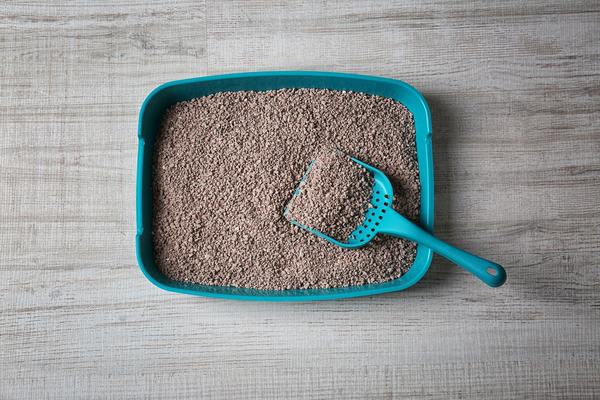
The amount of litter you need for the initial fill depends on your litter box size and the type of litter you use. Getting the depth right also helps your cat dig, cover waste, and use the box comfortably.
Recommended Litter Depth for Different Litter Types
Litter depth recommendations vary by material and manufacturer. Clumping clay litter generally needs enough depth for urine to form solid clumps without sticking to the bottom. Crystal litter has different absorption properties and follows its own product instructions. For example, PrettyLitter’s Original Non-Clumping formula recommends maintaining at least 2 inches of litter.
A sufficient litter depth helps absorb moisture, cover waste, and give your cat room to dig.
How Many Pounds of Litter Should You Put in a Litter Box?
The answer to how many pounds of litter per box depends on the litter’s density, box dimensions, and recommended depth. For example, PrettyLitter recommends one 6 lb bag for an average-sized 12 × 16-inch litter box.
But a 6 lb bag of crystals won’t necessarily provide the same volume as a 6 lb bag of clay litter. Always check your product’s filling instructions before adding more.
Does Litter Box Size Affect Monthly Litter Usage?
Larger or deeper boxes need more litter for the initial fill. Households with multiple boxes also need a larger starting supply. However, a bigger box doesn’t automatically mean more frequent replacements. Follow the recommended depth and adjust your supply as needed. These cat litter box tips can also help you set up and maintain a comfortable bathroom space.
How Often Should You Change Cat Litter?
How often you need to change cat litter depends on the litter type, number of cats, and manufacturer’s instructions. Daily scooping, topping up, and completely replacing litter are three different parts of box maintenance.
Daily Litter Box Maintenance
Remove solid waste every day to keep the box clean and reduce unpleasant odors. Your routine will also depend on the litter you use:
-
Clumping Litter: Scoop out solid waste and urine clumps daily to leave clean litter behind.
-
Crystal Litter: Remove solid waste and stir the crystals according to product instructions to distribute moisture.
Regular cleaning helps prevent waste buildup and keeps the box comfortable for your cat.
When Should You Refill or Replace Cat Litter?
Top up the box when the litter falls below its recommended depth. Clumping litter needs fresh additions as you remove urine clumps, while non-clumping litter like PrettyLitter’s Original Non-Clumping formula generally needs a complete change after about 4 weeks (or 30 days), or sooner if saturated.
Signs Your Cat Litter Needs Replacing
Watch for these signs that your cat litter needs replacing:
-
Persistent unpleasant odors, even after cleaning
-
Litter that feels saturated or no longer absorbs moisture effectively
-
Noticeable changes in texture or condition
-
Litter depth falling below the recommended level
Follow your product’s replacement instructions rather than relying on one schedule for all litter types.
What Factors Affect How Much Cat Litter You Use Each Month?
Your monthly litter consumption depends on more than the number of cats in your home. Your cat’s size, bathroom habits, cleaning routine, and the litter’s absorption capacity can all affect how quickly you go through a bag.
Cat Size and Bathroom Habits
Larger cats may need more litter to maintain sufficient depth in their boxes. Their bathroom habits can also affect how quickly litter becomes saturated. If your cat starts urinating more frequently or shows noticeable changes in bathroom habits, contact your veterinarian rather than treating the extra litter consumption as normal.
Cleaning and Maintenance Routine
Your cleaning routine can affect how long a bag lasts. Scoop solid waste and urine clumps from clumping litter daily, then add fresh litter to maintain the recommended depth. With non-clumping and crystal litter, follow the product’s instructions for stirring, cleaning, and replacement.
Leaving waste in the box can contribute to unpleasant odors and force you to replace the litter sooner. Follow these tips for controlling litter box odor and keeping your cat’s bathroom area fresh.
Litter Quality and Absorbency
Different litter materials absorb moisture differently. Clumping clay forms removable urine clumps, while non-clumping litter retains absorbed moisture until replacement. Silica crystal litter absorbs moisture within its porous structure and may need less frequent complete replacement than some traditional alternatives.
Check the manufacturer’s usage recommendations when comparing different types of cat litter, as weight alone doesn’t indicate how long a product will last.
Tips to Make Cat Litter Last Longer
A few simple habits can help you reduce litter waste without compromising your cat’s comfort or hygiene.
-
Scoop solid waste and urine clumps daily to keep the remaining litter clean.
-
Maintain the recommended depth instead of overfilling the box.
-
Stir crystal litter according to the manufacturer’s instructions.
-
Choose an appropriately sized litter box for your cat.
-
Wash the box regularly before adding fresh litter.
-
Avoid mixing different litter types unless the manufacturer recommends it.
-
Check for saturation and replace litter when it no longer absorbs moisture effectively.
Don’t stretch your litter supply by leaving saturated or dirty litter in the box. A clean, comfortable bathroom helps your cat maintain good litter box habits.
PrettyLitter: How Much Do You Need Per Month?
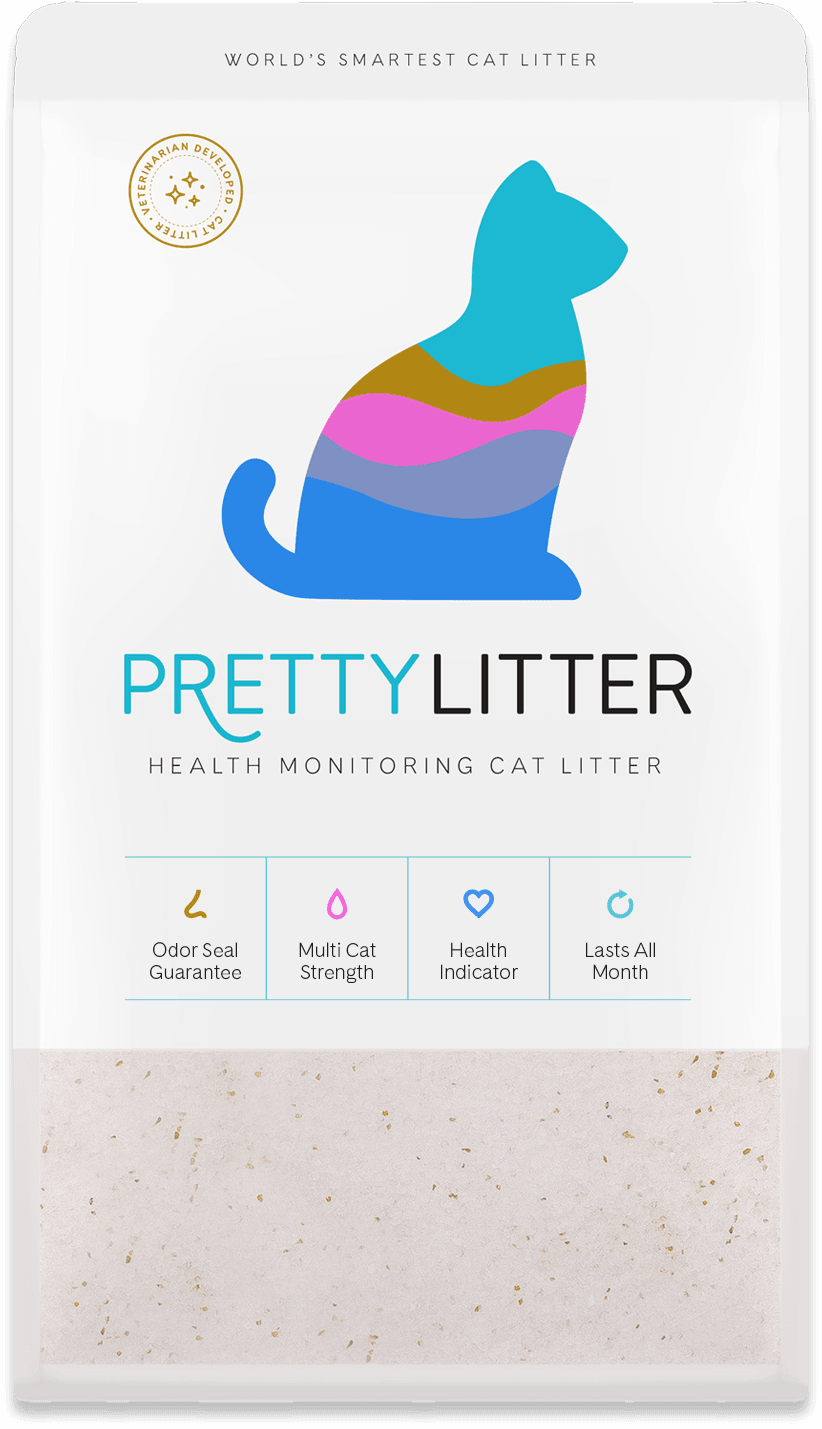
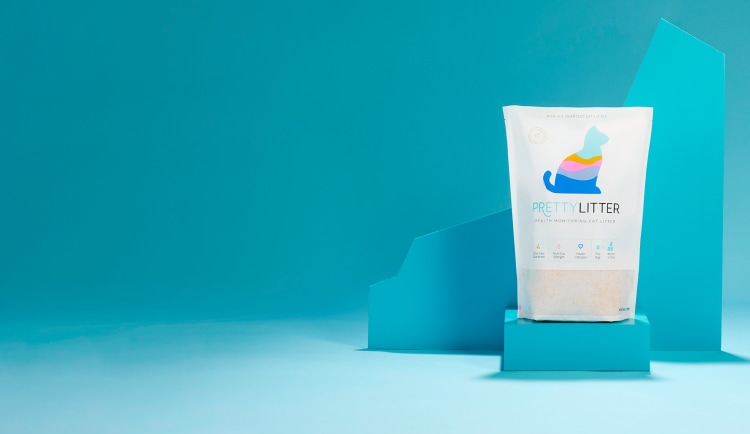
PrettyLitter uses absorbent silica gel crystals to manage moisture and help control litter box odors. The monthly supply depends on the formula you choose, your cat’s size, and the litter box dimensions.
Here’s how the two formulas compare:
PrettyLitter Product |
Bag Weight |
Recommended Monthly Usage |
Maintenance |
| Original Non-Clumping | 6 lb | 1 bag per medium-sized cat, up to one month | Remove solid waste and stir daily |
| Clumping | 10 lb | 1 bag per cat, up to one month | Remove urine clumps and solid waste; replenish as needed |
Original PrettyLitter Non-Clumping
One 6 lb bag of Original PrettyLitter Non-Clumping is designed to last up to 30 days for one medium-sized cat (10–12 lb) using an average-sized 12 × 16-inch litter box. Maintain at least 2 inches of litter depth, remove solid waste, and stir daily. Replace the entire supply after approximately 30 days or sooner if saturated.
Clumping PrettyLitter
One 10 lb bag of Clumping PrettyLitter is designed to last up to one month for one cat. Its guar gum formula forms removable clumps, so you can scoop out urine and solid waste regularly. Add fresh litter as needed to maintain the recommended depth.
How Much PrettyLitter Do You Need for Multiple Cats?
A useful starting point is one bag per cat per month, but your actual requirements depend on how many litter boxes you have and how often your cats use them.
For example:
-
Two Cats: Start with two bags per month.
-
Three Cats: Start with three bags per month.
If your cats share a litter box, you may need additional litter to maintain the recommended depth and absorb moisture effectively. Learn more about sharing a litter box between multiple cats before deciding how to manage your household’s litter supply.
If you have a multi-cat household, explore PrettyLitter for multiple cats to find a suitable option. You can also compare the Original Non-Clumping and Clumping formulas to choose what works best for your household.
Frequently Asked Questions
How long does a bag of cat litter last?
A bag of cat litter can last anywhere from a few weeks to a month or longer, depending on its size, litter type, number of cats, and how frequently you clean the box.
How often should I completely change cat litter?
Replacement frequency depends on the litter type. Clumping litter needs regular scooping and topping up, while non-clumping litter requires more frequent complete changes. Follow the manufacturer’s instructions for the recommended schedule.
Does PrettyLitter last a full month?
Yes. One 6 lb bag of Original PrettyLitter Non-Clumping can last up to 30 days for one medium-sized cat. One 10 lb bag of Clumping PrettyLitter is also designed to last up to a month for one cat.
Does a larger cat need more cat litter?
A larger cat may need additional litter, particularly if it uses a bigger litter box. You may need extra product to maintain the recommended depth and account for higher litter consumption.

