August 13, 2026 |12 min read
Health Monitoring Cat Litter: What It Is and How It Works

Written by




Have you ever wished your cat could tell you when something felt off? Unfortunately, cats are masters at hiding discomfort, which means subtle health changes can go unnoticed until they become more serious. Even if you clean the litter box every day, it’s not always easy to spot early urinary changes with traditional litter or visual observation alone.
That’s where health monitoring cat litter can help. It gives cat parents an easy way to monitor certain changes in their cat’s urine during a routine they already do every day. While it isn’t a diagnostic tool or a replacement for veterinary care, it can alert you that it’s time to pay closer attention or contact your veterinarian. That extra insight can help you feel more informed and confident about your cat’s well-being.
What Is Health Monitoring Cat Litter?
Health monitoring cat litter is a specialized cat litter that helps cat parents monitor certain changes in their cat’s urine by displaying visible color changes. While it does offer an easy way to notice potential urinary changes during routine litter box cleaning, it is meant to complement, not replace, veterinary care.
Unlike traditional clumping litter, which is designed primarily to absorb moisture, control odors, and simplify cleanup, health monitoring litter also provides visual clues about certain urine characteristics. Instead of simply collecting waste, it helps cat parents keep an eye out for changes that may warrant closer attention.
Keep in mind that this type of litter only monitors specific urine indicators. It cannot assess your cat’s overall health or diagnose medical conditions. Treat it as an early awareness tool that helps you spot unusual changes sooner, so you can decide when it’s time to check with your vet.
How Does Health Monitoring Cat Litter Work?
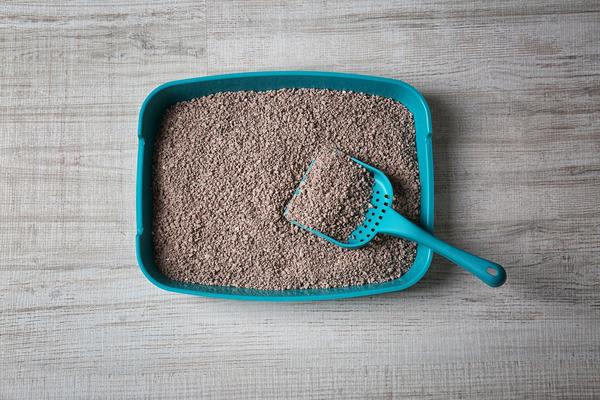
Many lightweight cat litter products use silica crystals that work by quickly absorbing moisture. The crystals draw urine away from the surface and lock it inside, helping keep the litter box drier, like odor control litter, while making urine changes easier to observe.
Some crystal-based litters like PrettyLitter also contain pH-sensitive technology that responds to changes in urine composition. When your cat’s urine becomes more acidic or more alkaline than its typical range, the litter may change color to provide a visual signal. These color changes don’t confirm that something is wrong, but they can let you know it’s worth paying closer attention.
The most useful insights come from observing patterns over time rather than reacting to a single color change. Diet, hydration, how often your cat uses the litter box, and how frequently you scoop or check the litter can all influence the results. Looking at the bigger picture helps you decide whether it’s time to discuss any persistent changes with your veterinarian.[1][2][3]
Is Health Monitoring Cat Litter Accurate?
Health monitoring cat litter uses pH-sensitive technology to respond to changes in urine composition. In crystal litters, these changes appear as visible color shifts that can help cat parents notice when something looks different from their cat’s usual pattern.
That said, the results aren’t always the same from one day to the next. Factors like your cat’s diet, hydration, the timing of urination, and normal differences between individual cats can all influence urine pH and the colors you see.
That’s why these litters are designed to support ongoing observation rather than diagnose medical conditions. They cannot confirm or rule out a medical condition. If you notice persistent color changes or your cat shows signs of discomfort, always contact your veterinarian for a proper evaluation and diagnosis.[1][2][3]
What Do Color Changes Mean?
Color changes in health monitoring cat litter can offer helpful clues about changes in your cat’s urine that might otherwise go unnoticed. These changes should always be treated as observations rather than diagnoses.
pH-sensitive technology in crystal litters like PrettyLitter displays different colors when urine falls outside its typical range. Here’s what the colors generally indicate:[1][4]
-
Dark Yellow or Olive Green (Typical): This is considered the normal color range and indicates that your cat’s urine falls within an expected pH range.
-
Blue (Alkalinity): A blue color may indicate more alkaline urine, which can sometimes be associated with certain urinary tract issues or an increased risk of crystal or stone formation.
-
Orange (Acidity): An orange color may indicate more acidic urine. Changes in diet, hydration, or certain health conditions (such as metabolic acidosis or kidney tubular acidosis) can contribute to increased urine acidity.
-
Red (Possible Blood): A red color may suggest the presence of blood in the urine, which can occur with bladder crystals, Feline Lower Urinary Tract Disorders (FLUTD), kidney conditions, or other urinary concerns.
A single color change doesn’t mean your cat is sick. You need to watch for changes that persist over time or appear alongside symptoms such as frequent urination, straining, changes in appetite, or unusual behavior. If you’re concerned, your veterinarian can determine the underlying cause through a proper examination and diagnostic testing.
Can Cat Litter Really Detect Health Problems?
No. But it can help you notice changes that deserve attention. Health monitoring cat litter is designed to detect certain changes in urine characteristics, such as shifts in pH or the possible presence of blood, by displaying visible color changes. These changes can alert you that something may be different from your cat’s usual pattern.
What it can’t do is diagnose a urinary tract infection, kidney disease, bladder stones, or any other medical condition. A color change alone doesn’t confirm what’s causing it.
Health monitoring litter, including options like PrettyLitter, serves as an early awareness tool rather than a medical test. If you notice persistent color changes or your cat shows symptoms like straining to urinate, frequent litter box visits, or changes in behavior, schedule a visit with your veterinarian for a proper diagnosis and treatment plan.[2]
Who Should Use Health Monitoring Cat Litter?
Health monitoring cat litter adds health monitoring into a routine you’re already doing every day. While any cat parent can benefit from paying closer attention to their cat’s urinary health, it can be especially helpful in certain situations.
Health monitoring cat litter may be especially helpful for:[2]
-
Multi-cat households, where it can be harder to keep track of each cat’s litter box habits and notice subtle changes.
-
Senior cats, which may benefit from closer observation as urinary concerns become more common with age.
-
First-time cat parents who want extra reassurance while learning what’s normal for their kitty.
-
Health-conscious cat parents, who value preventive care and want to spot potential changes as early as possible.
Regardless of your cat’s age or lifestyle, monitoring works best alongside regular veterinary checkups, not as a replacement for them.
Common Mistakes When Using Diagnostic Cat Litter
Despite the name, diagnostic cat litter or health monitoring litter isn’t meant to replace a veterinarian’s expertise. Using it the right way helps you get the most meaningful information from the color changes you observe.
Cat parents need to avoid these common mistakes when using health monitoring cat litter:
-
Expecting a diagnosis instead of treating color changes as signals that may warrant veterinary attention.
-
Skipping the baseline period, since you’ll need to understand what’s normal for your cat before interpreting changes.
-
Ignoring repeated color changes, especially if they persist or appear alongside unusual behavior.
-
Mixing different litter types, which can interfere with how the litter performs and how clearly color changes appear.
-
Waiting too long to scoop or check the litter box, making it harder to observe fresh color changes accurately.
A few simple habits can make health monitoring cat litter much more useful. When you understand its purpose and limitations, it becomes a practical way to stay in tune with your cat’s health between veterinary visits.
How to Use Health Monitoring Cat Litter Correctly
Using health monitoring cat litter consistently helps you understand what’s normal for your cat and makes it easier to spot meaningful changes. Rather than focusing on a single color shift, look for patterns over time and use them to guide your next steps.[1][2]
Step 1: Set Baseline Color Observation
Start by learning what’s normal for your cat’s urine. During the first few days, pay attention to the typical color you see after your cat uses the litter box. This baseline gives you a point of comparison, making it easier to recognize changes that stand out later.
Step 2: Monitor Daily Scooping Patterns
Check your low-dust cat litter every day as part of your regular scooping routine. Fresh observations make it easier to notice visible changes in urine indicators and help you identify trends instead of relying on a single litter box visit.
Step 3: Track Persistent Color Changes
A one-time color change isn’t always a cause for concern. Instead, watch for changes that:
-
Continue over multiple litter box visits
-
Appear repeatedly over several days
-
Occur alongside changes in your cat’s behavior, appetite, or water intake
These ongoing patterns are often more meaningful than isolated changes.
Step 4: When to Consult a Vet
If you notice unusual or repeated color changes, don’t rely on the litter alone to determine the cause. Your veterinarian can evaluate your cat, perform any necessary tests, and determine whether treatment is needed.
By using health monitoring litter as intended and combining it with regular veterinary care, you can stay more aware of your cat’s urinary health and respond promptly when something doesn’t seem right.
Final Thoughts: Should You Use It?
Your cat can’t tell you when something feels different, but their daily habits can offer valuable clues. Health monitoring cat litter helps make those clues easier to notice by turning a routine chore into an opportunity to monitor your cat’s urinary health more consistently.
While it can’t diagnose illness or replace veterinary care, it can encourage earlier conversations with your veterinarian when something doesn’t seem right. Used consistently, it becomes an important tool for monitoring feline urinary health.
If you’re looking for a simple way to monitor your cat’s health between veterinary visits, health monitoring cat litter can be a worthwhile addition to your care routine.

Tired of your
home smelling like
you have a cat?
FAQs
What is the best health monitoring cat litter?
The best health monitoring cat litter is one that’s easy to use consistently, provides clear color indicators, and fits your cat’s preferences. Look for products that use pH-sensitive technology, control odors effectively, and offer clear guidance on interpreting color changes. Remember that even the best option is designed to support health monitoring, not diagnose medical conditions.
Can you rely on diagnostic cat litter alone?
No. Diagnostic cat litter or health monitoring litter should always be used as a supportive monitoring tool, not as a substitute for veterinary care. Color changes can alert you to potential urinary changes, but only a veterinarian can determine the underlying cause through an examination and appropriate diagnostic tests. Combining routine monitoring with regular veterinary checkups provides the most complete approach to your cat’s urinary health.
Source


